
2026 looks to be a transformational year for data and business intelligence. AI has changed so much of the industry already, but the trends for this year and beyond will make the advancements of the past couple of years look like baby steps.
From the way your enterprise will collect data to the way your teams look, here's how AI is impacting the business of data in 2026.
The Transition From Consumer AI to Enterprise AI Is Truly Underway
In April, OpenAI shut down its video generation app, Sora, to refocus resources to where the company was finding real value, which is in coding and other enterprise uses. While consumer gen AI may have had a moment as users were experimenting with creating videos, art, and music, these resource-intensive processes hit interest, and even legal walls. Could companies make money off of gen AI art? The answer, it seemed, was unlikely.
But enterprise AI is a different story. MIT Sloan's Management Review highlights the transition towards moving individual generative AI use to enterprise as an organizational resource. MIT Sloan cites Johnson & Johnson as a company that moved away from pursuing "900 individual-level use cases for gen AI to instead focus on a handful of strategic projects." This shows that while consumer AI remains an untamed frontier, enterprises are quickly adopting AI, both agentic and generative, and finding real value uses for the technology and have begun measuring AI ROI.
The Role of the Business Intelligence Developer Goes From Maker to Strategist
According to PlotStudio, demand for BI Devs and Data Analysts, who focus on writing SQL and building dashboards is declining. This is because, as mentioned earlier, Gen AI is finding life within enterprise workflows, taking on the manual tasks that data analysts used to do, including data visualization.
However, PlotStudio and ThinkingAI both understand that the BI Dev and Data Analyst will still be a key strategic member of your team, freed from the manual tasks that once consumed much of their time. Now, the analyst will become a strategist, taking the insights prepared by AI and becoming a judgment layer. This includes framing the questions enterprises ask about their data, aligning department stakeholders on what is needed from their analyst agents, and finding the ambiguous edge cases that requires creativity, not just logic.
These new interpretative skills should be considered going forward for CDOs and VPs of Data Science when plotting the future strategy of your enterprise's BI team.
Natural Language Will Replace SQL
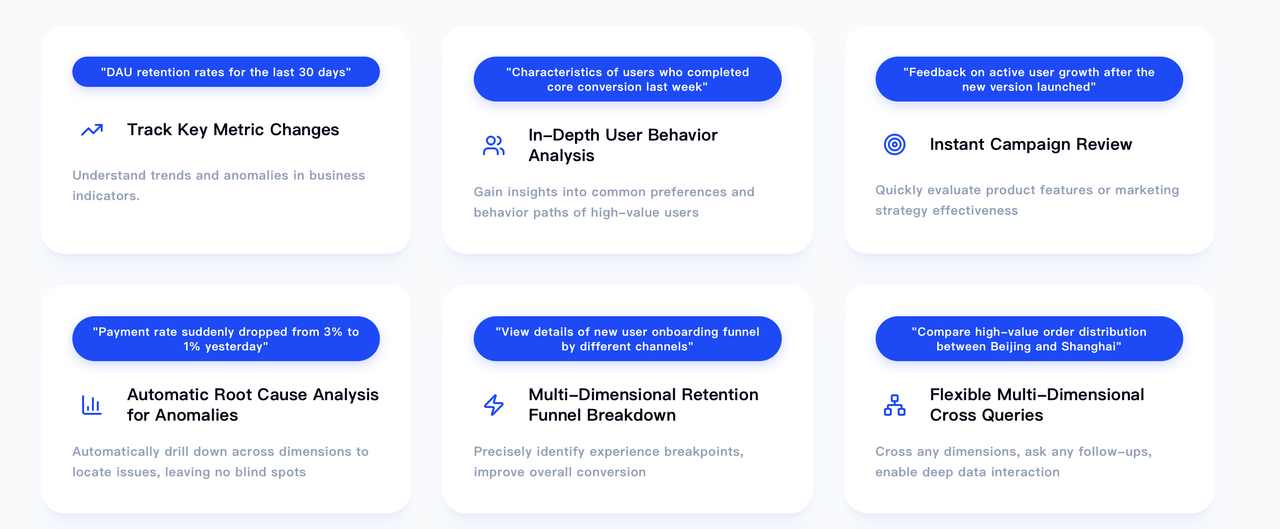
With the rise of Agentic AI, such as ThinkingAI's Agentic Engine, one of the biggest immediate impacts in 2026 is the way SQL is being replaced by natural language queries. As with the point above, the manual tasks of data analytics, such as writing SQL, is evolving so that analysts can ask AI agents questions in natural language to receive insights, visualizations, and even recommendations.
Agentic Engine comes pre-built with three AI agents, each designed to deliver automated action, data reports, and even the ability to launch campaigns and A/B tests, all through natural language. This alone makes it one of the biggest impacts to the world of data intelligence in 2026.
A New Problem Arises: The Insight to Action Gap
Enterprises are already seeing results from working with Agentic AI as the time it takes to receive insights from AI generated reports has shrunk the timeline for such a process. What used to take weeks now can be done in a few hours. But there remain silos that prevent organizations from acting on these insights right away.
Different departments, whether it's sales, marketing, or customer success, still control their individual domains, making cross-team collaboration a manual exercise that could eat away at the time that could be used to act on the insights delivered by an organization's AI agent.
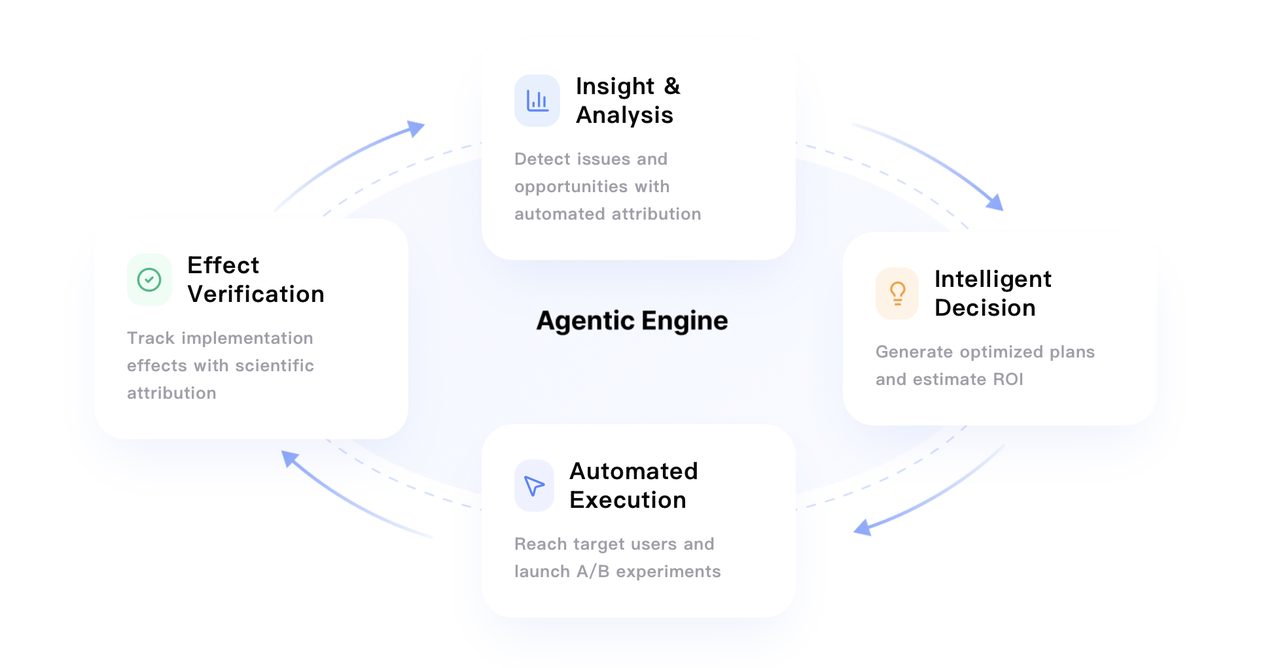
One way Agentic Engine cuts through this red tape is by offering a unified solution that not only detects insights and signals, but can also suggest and execute actions as well. This process can cut through what looks to be one of the biggest hurdles that face businesses in 2026 as more and more enterprise companies begin implementing AI agents within their organizations at scale.
Data Governance Is More Important Than Ever
As AI Agents begin deploying across workplaces at scale, governance is becoming the biggest buzzword of 2026. IBM published a walkthrough on the need to balance an AI agent's autonomy and efficiency, but also ensuring accountability and control. As a result, more enterprises are grappling with the question of governance over AI agents.
There are multiple ways to tackle this delicate balance, though they come with trade-offs. You can limit how much access your AI agent has over your enterprise, ensuring that your AI agent will not touch the most sensitive parts of your business, but also restricting it from making key decisions that can help your business grow in the long-run. You can also set up numerous human approval checkpoints, though this takes away from your AI agents to act fully autonomously.
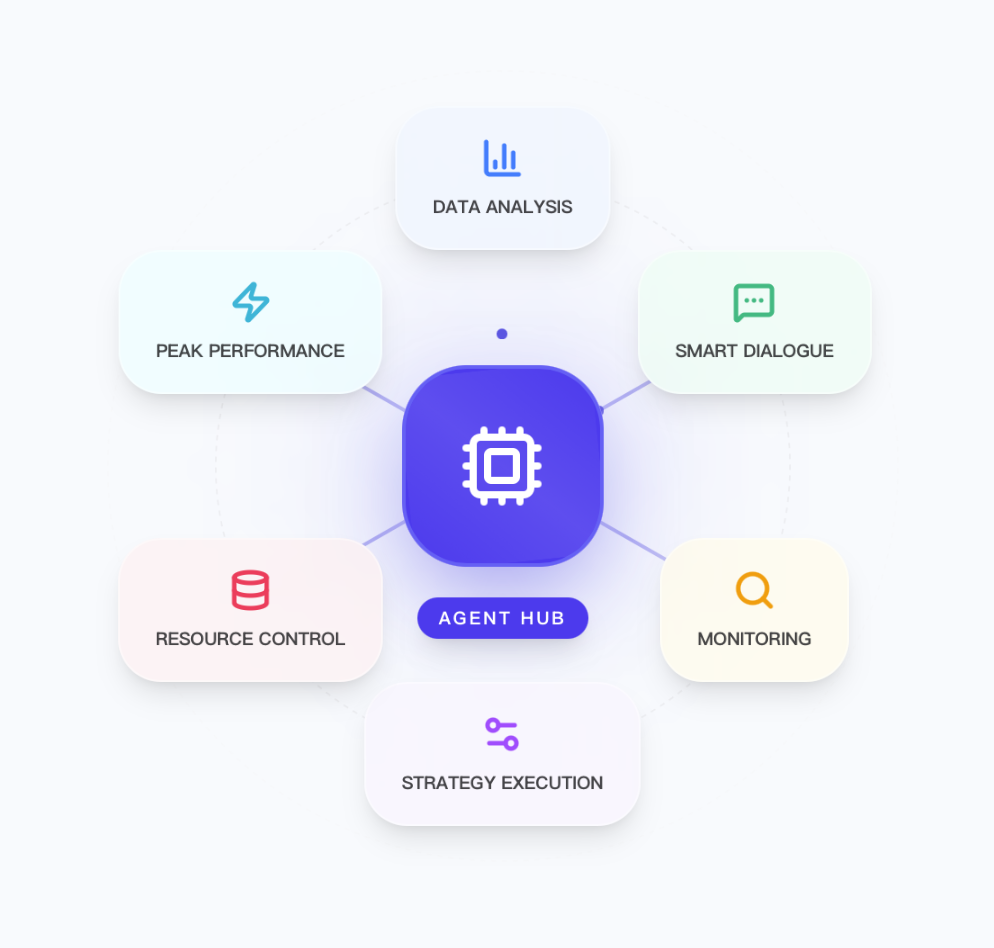
Ultimately these decisions must be made internally and should be made to ensure the best possible outcome for your business. Agentic Engine, for example, has numerous guardrails in place for Agent Governance, ranging from customizable permission controls for each agent to full life cycle audits so you have full visibility into every decision your AI agent makes at any time. Check out our full Agent Governance features here.
AI Is Quickly Changing Data Intelligence in 2026, Is Your Enterprise Ready?
These trends will only accelerate as more enterprises scale their agentic AI workflows. To see how your business can grow with Agentic Engine, book a demo with one of our specialists today.