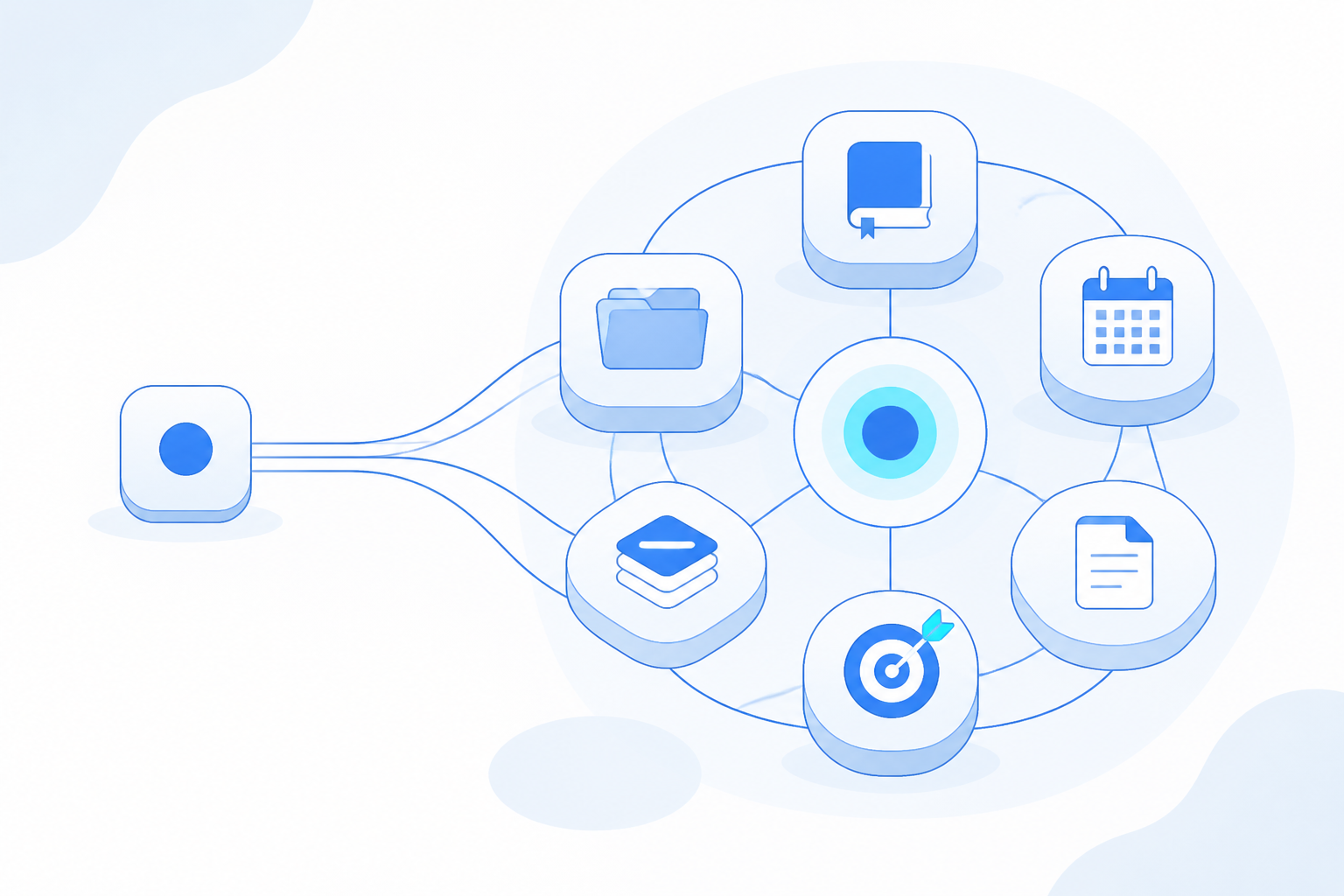
Until now, your Agent was smart but generic. It didn't know how your company defines a metric, it worked on its own, and it needed someone watching it. This update is about one thing: making the Agent yours.
Your Agents now answer in your company's language, pass proven work to each other as reusable skills, show up in the tools your team already uses, and run multi-step workflows from start to finish. And leadership gets the controls to take Agents from a small pilot to the whole company without losing sight of who's using them, how much, and at what cost. This is the step from one clever Agent to a team that understands you, works together, and stays under control.
Knowledge Base: teach your Agent your company's language
Turn your own documents (tracking plans, metric definitions, playbooks) into a knowledge source your Agent can search and cite. Answers stay grounded in your business rules, not just general AI knowledge.
- Your Agent writes accurate SQL straight from your tracking definitions and applies the right calculation logic when it analyzes.
- One source of truth across teams. Ask "how is X calculated" and everyone gets the same answer from the same definition.
- New hires ask the Agent instead of hunting through scattered docs.
- Three levels (system, company, personal) let you decide what's shared widely and what stays private.
Why it matters: the AI becomes your AI, not one more generic assistant.
MCP & Skill Marketplace: good practices become reusable
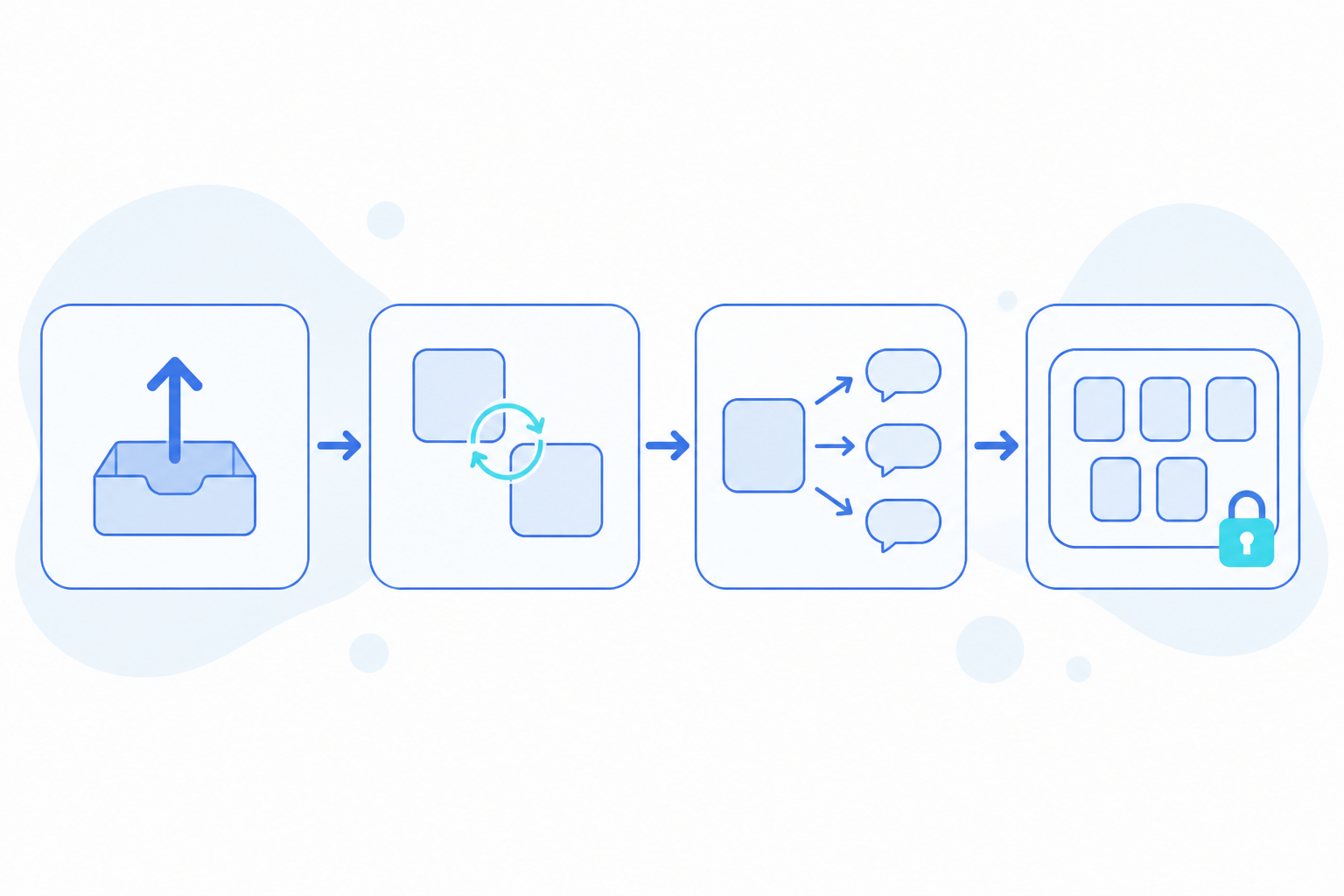
A browsable catalog that brings together the tools your Agent can connect to and the methods it can reuse. MCP is the standard that lets an Agent connect to an outside tool or data source and take real actions inside it, like pulling a report or posting a message. A Skill is a packaged, reusable method, such as a step-by-step approach to churn analysis. Both can be shared across the company.
- Individual effort becomes a shared asset. Submit a proven method, get admin approval, and the whole company can use it.
- Browse by category, each with icons, descriptions, and tags. Rank by popularity and filter by system, company, or personal source.
- New hires find mature tools ready to use instead of starting from scratch.
Why it matters: the more people contribute, the more valuable the marketplace gets. Your organization's experience starts to compound.
Expanded Integrations & Automation: show up where your team already works
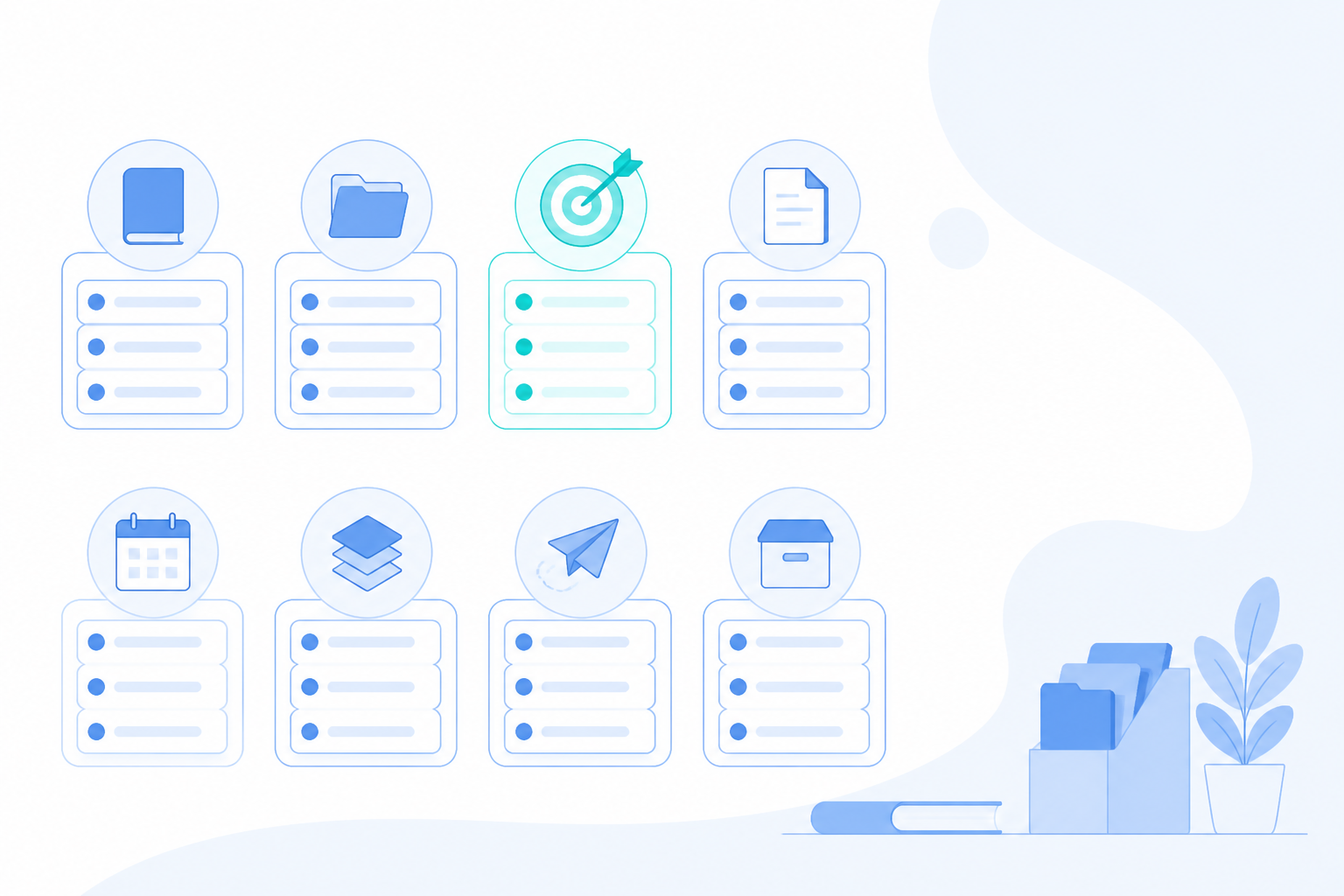
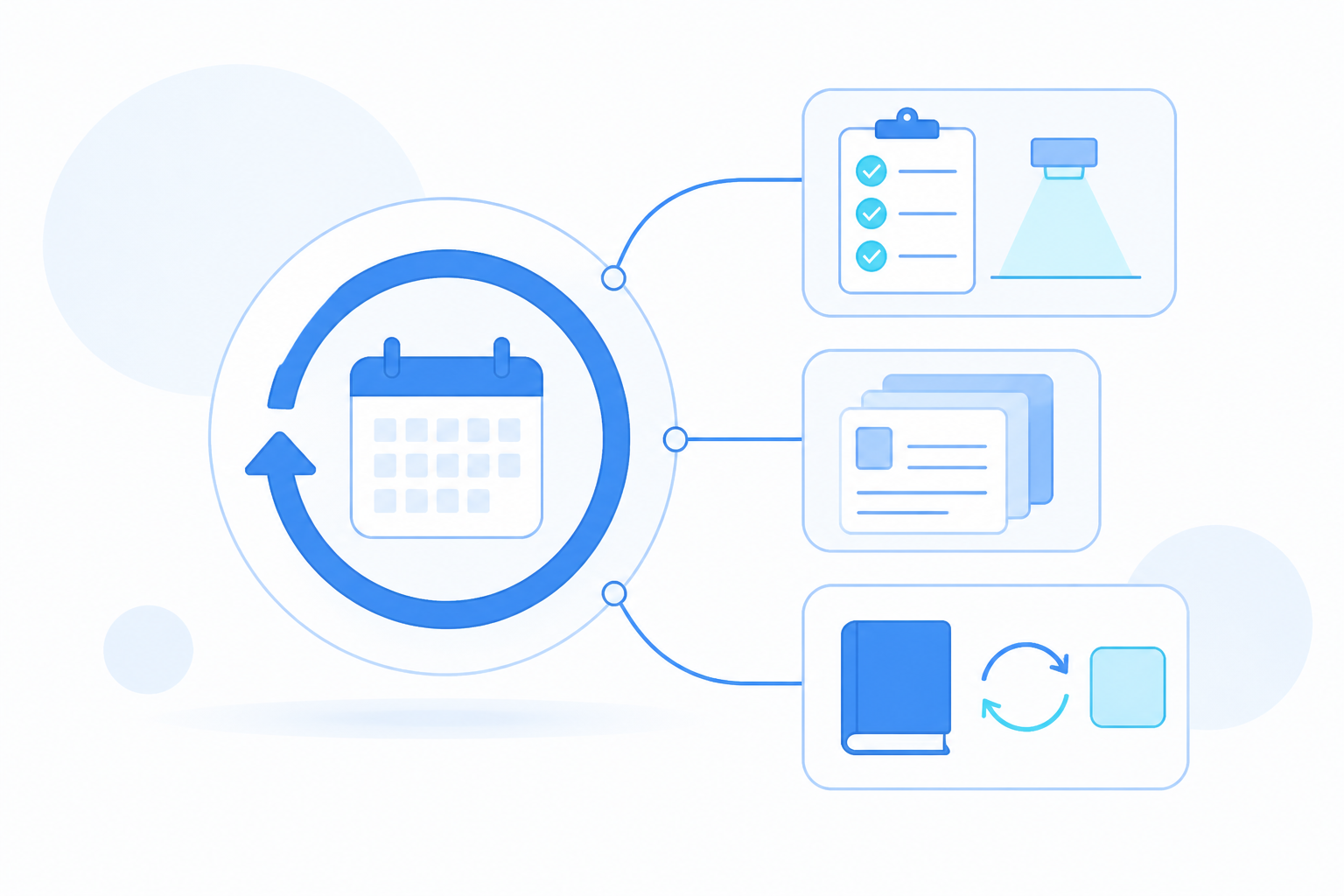
Your Agent connects to third-party tools through secure, OAuth-based MCP, and it can run tasks on a schedule instead of only on demand.
- A new IM connector for Slack lets several people collaborate with the Agent right in chat, with no change to how they already work.
- Scheduled automation runs recurring data checks and report generation on time, without anyone kicking them off.
- Project metadata syncs into the Knowledge Base automatically, so it stays current without manual updates.
- A new OAuth 2.0 authentication flow lets third-party tools connect securely.
Why it matters: the Agent goes to your existing workflow, and automation keeps recurring work reliable and your knowledge base accurate over time.
Agent Team: run multi-step workflows end to end
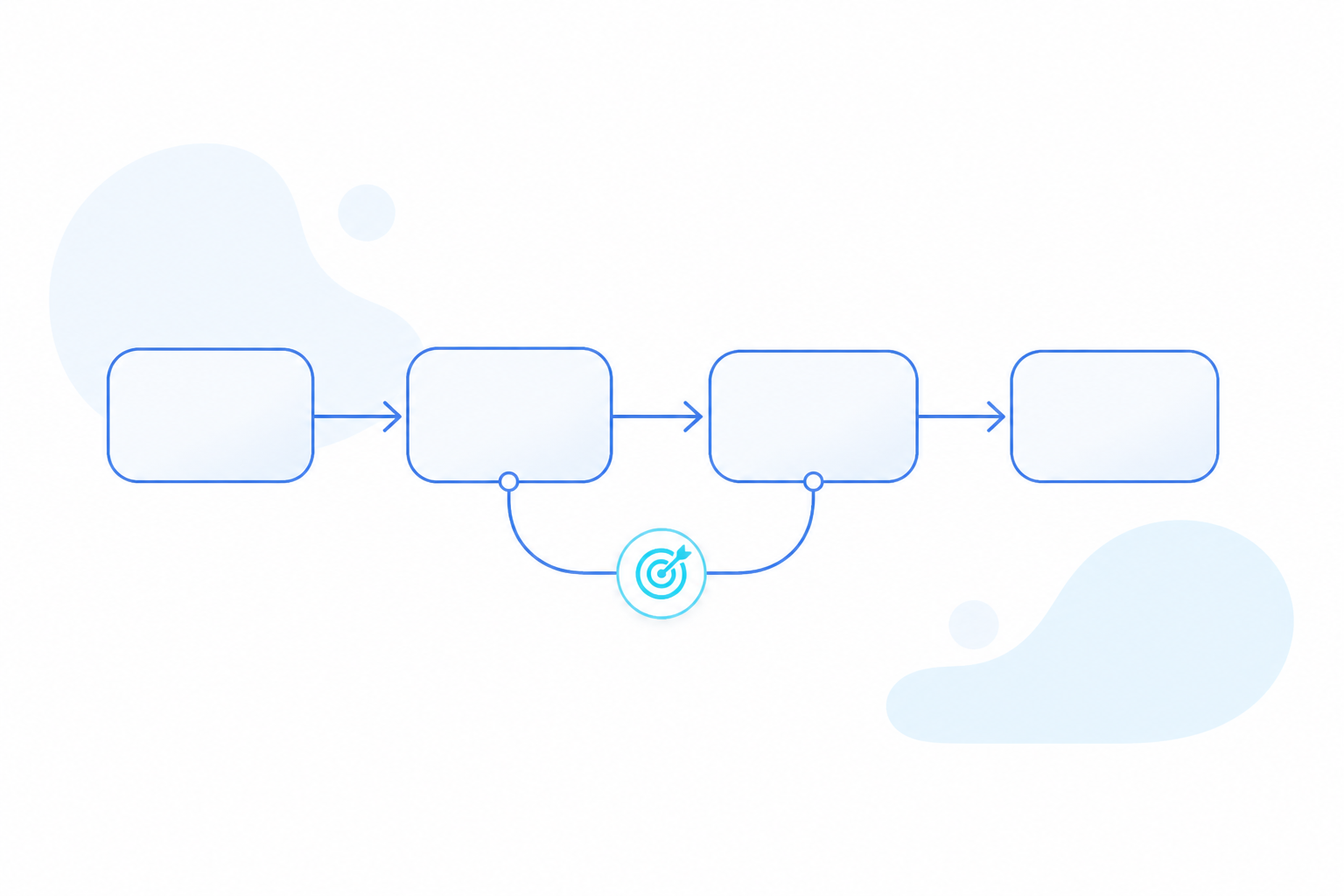
Several specialized Agents work one workflow together. A leader coordinates one or more workers to carry a process end to end: pulling the data, analyzing it, writing the report, and sending the alert.
- Work that used to pass between several people now runs as one automated pipeline, freeing time for judgment instead of manual steps.
- Two views: Agent Team for building and configuring, Task Board for tracking progress across workflows.
- Two ways to build. Pick a template and set the prompt, model, skills, and knowledge sources for each leader and worker, or describe your goal in plain language and let AI assemble the team, with a preview to adjust before you launch.
Why it matters: AI-assisted setup lowers the bar, so non-technical teammates can build their own multi-agent workflows.
Platform Governance & Cost Control: roll Agents out with confidence
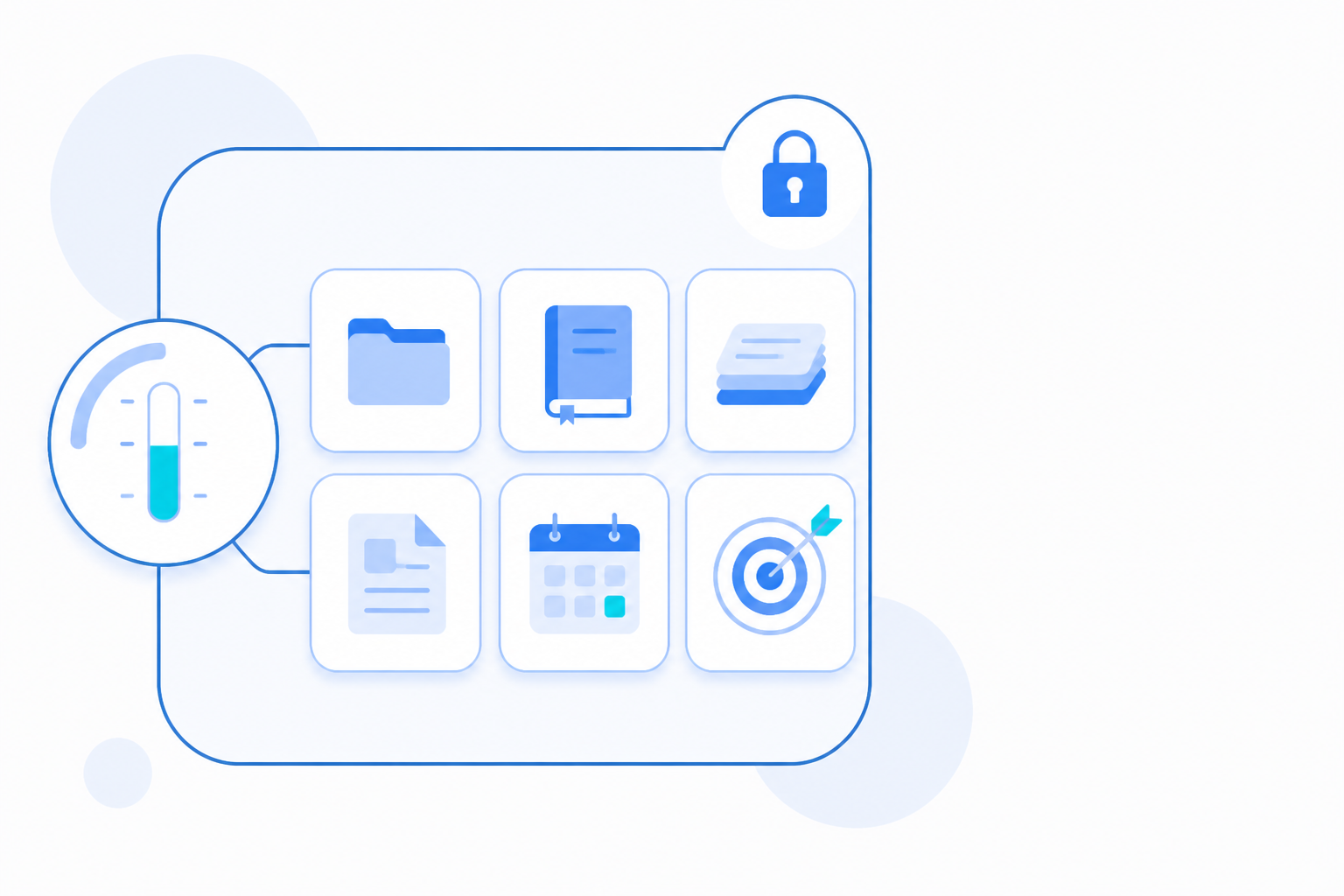
A set of admin tools for running Agents safely at enterprise scale. Unified member and permission management, isolated sandboxes, and company- and individual-level spend controls give leadership a clear view of who's using Agents, how much, and at what cost.
- Cost guardrails: company- and individual-level, token-based usage caps mean leadership works with real limits instead of open-ended spend.
- Isolated sandboxes (My Sandbox): a private cloud workspace with a coding agent preinstalled, much like a local dev environment where you can browse files and preview, but with no risk of one user's work affecting another's.
- Unified management: admins add members, delegate admin rights, and provision a sandbox as soon as a new user joins, cutting time spent managing permissions across scattered settings.
Why it matters: it makes the move from a small pilot to a wide rollout safe.
Coming next (planned): fully customizable cap rules, per-member model access control, and more sandbox agent options.
Where this leaves you
Together, these updates turn Agentic Engine into a team of Agents you can put to work across your company with real confidence, grounded in your definitions and kept under clear controls.
Want to see it on your own definitions and workflows? Reach out at business@thinkingai.io and we'll walk you through it.
Share