
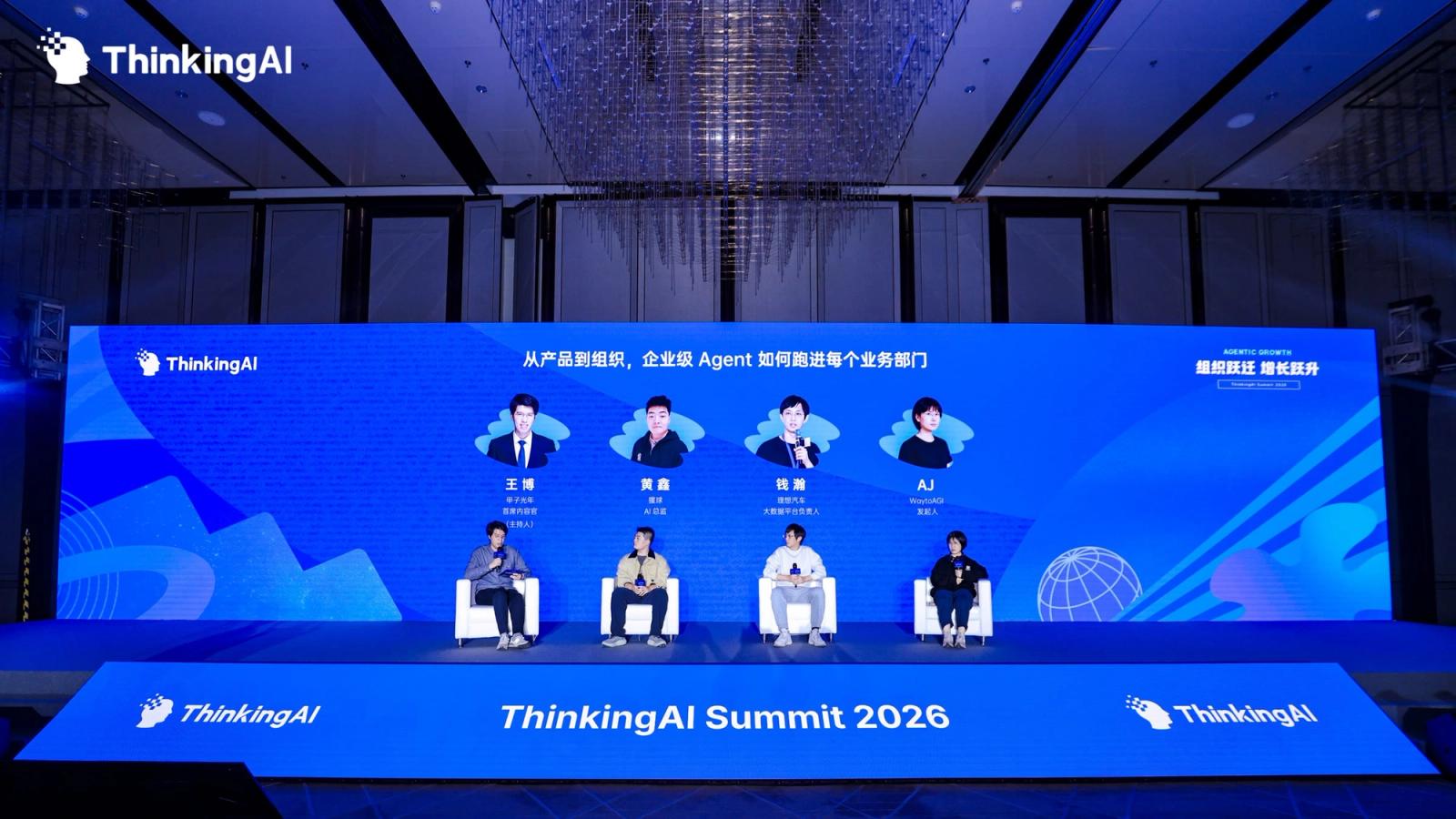
At ThinkingAI Summit 2026, which we hosted at The St. Regis Beijing on October 28, speakers from games, entertainment and internet companies showed how AI agents move from early trials into a team's daily work. Our founder and CEO Paris Lyu also launched Heari.ai, an AI-driven user research platform.
The theme was Agentic Growth. Building a product with AI keeps getting easier, Paris Lyu argued, so checking whether it meets users' needs has to speed up too. Across the day, speakers kept returning to what agents need to work reliably in daily use. They need trusted data and clear definitions, work split among agents with specialist tools, and people who own the rules.
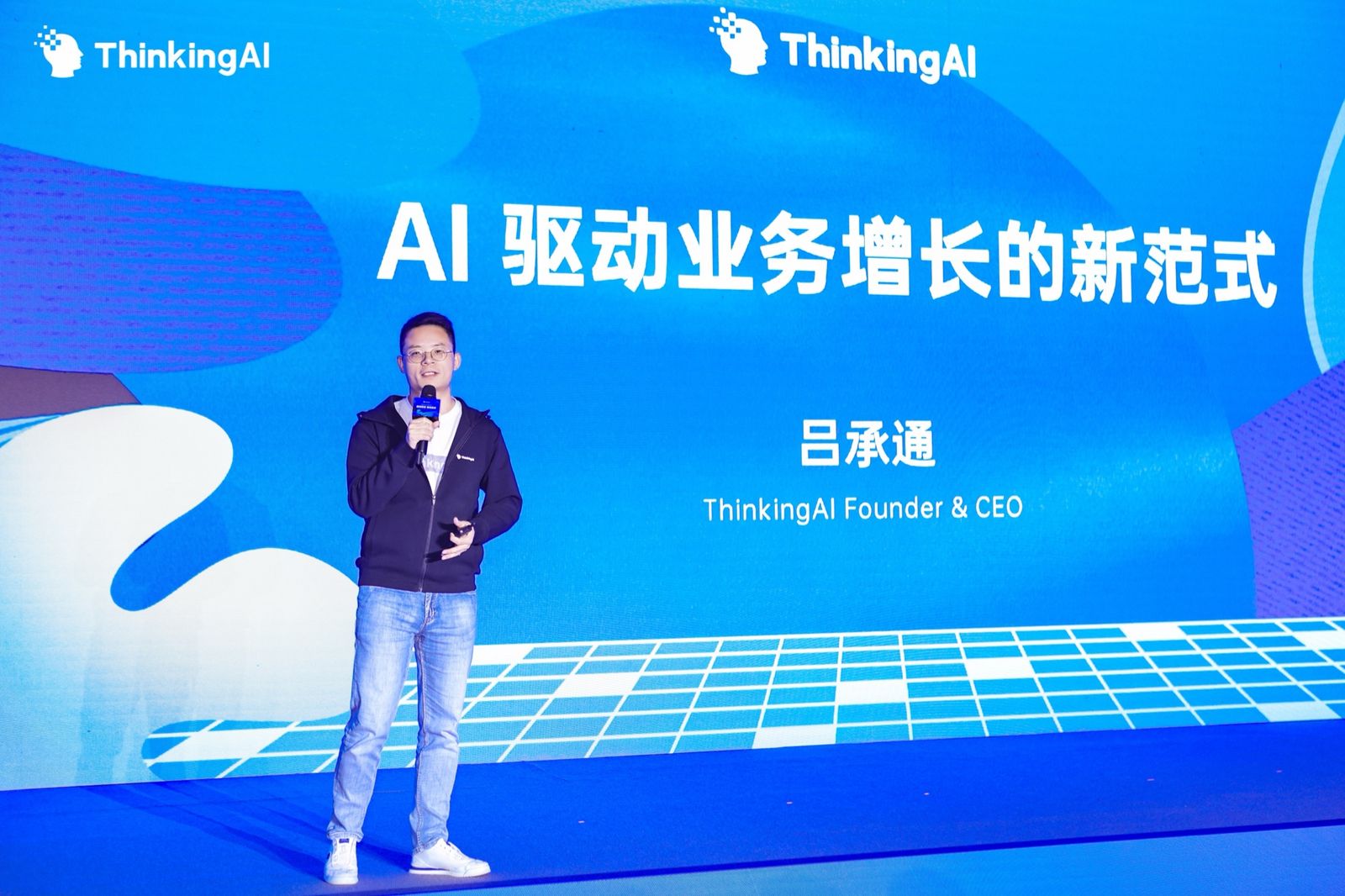
Faster product development needs faster user feedback
Paris Lyu drew on lessons from making games with AI. Heari.ai can trigger an interview when a key behavior occurs and lets teams choose participants by what they actually did in the product. It places what users say next to their behavior records. Data shows what users did, and the interviews help explain why. Teams can run sample interviews before they design an experiment or adjust an operations strategy. Heari.ai powers our User Interview Agent.
Paris Lyu also presented The AI-Native Organization, a book on turning personal experience into knowledge AI can use, deciding which work goes to agents and which judgments stay with people.
Agents need data they can trust
Our co-founder and CTO showed how Agentic Engine starts from a business question. It connects to the data a team already has, checks how that data is organized and looks for clues. If the records leave the question open, it points out which user actions are missing from the data, helps draft a plan for recording them and works with development tools to set that up and check the new data. Teams keep their audience definitions and metric rules in a knowledge base, which cuts down on repeat explanations and on members calculating the same metric different ways. Once the team confirms a plan, it can go into a campaign or an A/B test, provided those systems are connected and authorized. Through ae-cli, our command-line tool, coding tools such as Claude Code and Codex can use the same data and capabilities.
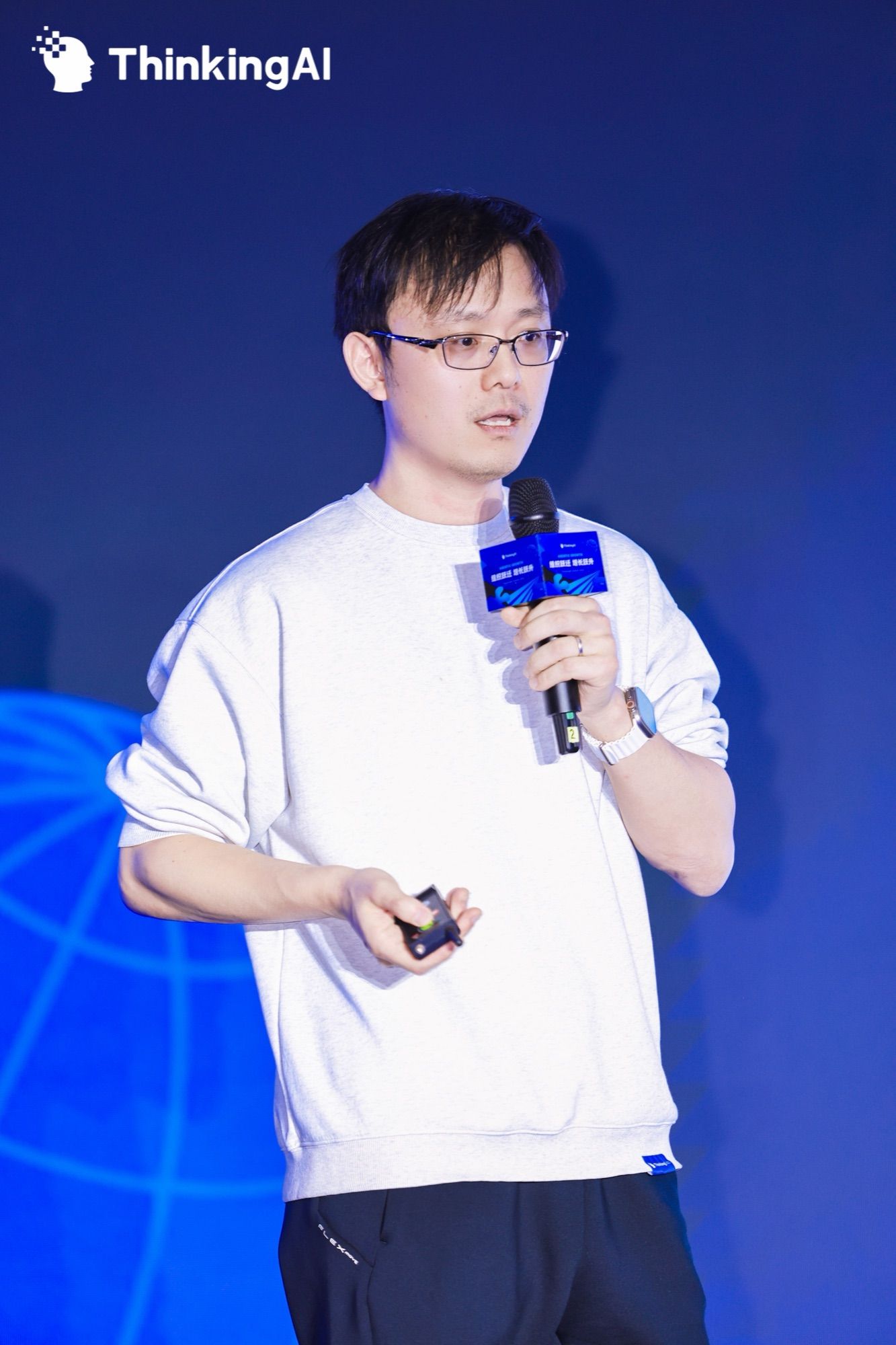
Kai Yu, data director at Trip.com Hotels, argued that AI is becoming a major user of a company's data, so companies need to rethink how they organize and govern it. Natural language makes questions easier to ask, yet each metric still needs a clear business meaning and a clear way to retrieve the data. Trip.com's ChatBI splits this work among several agents and checks quality with accuracy evaluations, automated tests, clarifying questions and a grade for how far each result can be trusted, so business staff can see which answers to use and which to check.
Agents divide the work and use specialist tools
At Huolala, the freight platform, matching a customer to a vehicle starts with plain requests, such as moving a few pieces of furniture or keeping the load out of the rain. Lixin Wu, who leads growth for its AI applications, described three agents that understand the cargo, the customer and the vehicle types. They ask follow-up questions, then pass the request to a loading engine. The model handles understanding and conversation, and the engine checks space, weight and placement rules. Once key steps are tracked in analytics, the team can see where users drop off.
Zhifeng Huang, head of game publishing technology at Zhuodong Technology, showed a support workflow designed to build up experience as it is used. Frequent issues and their status go back into an issue library, and reusable answers from support staff go into a knowledge base that the front-line agent draws on. Staff can also teach the system a new step in plain language. ThinkingAI's search of user behavior logs combines with tools such as order lookup to help the agent look into each problem as the case requires.
For short dramas made with AI, Shaolong Lyu, CEO of Xingyun and co-founder of Lingju Technology, said small teams lost efficiency as output grew. The team broke the production process into 120 pieces of production know-how and standardized language, visual style and tools. Audience segments from the home market offered little guidance abroad, so content teams need evidence from what users actually do, and ThinkingAI's collection and grouping of behavior data provides it for each market. Shuchen Wu, head of AI algorithms for Livo at Kuaikan World, described characters that remember their past, change with new experiences and keep developing after a story is published.
People still own the rules
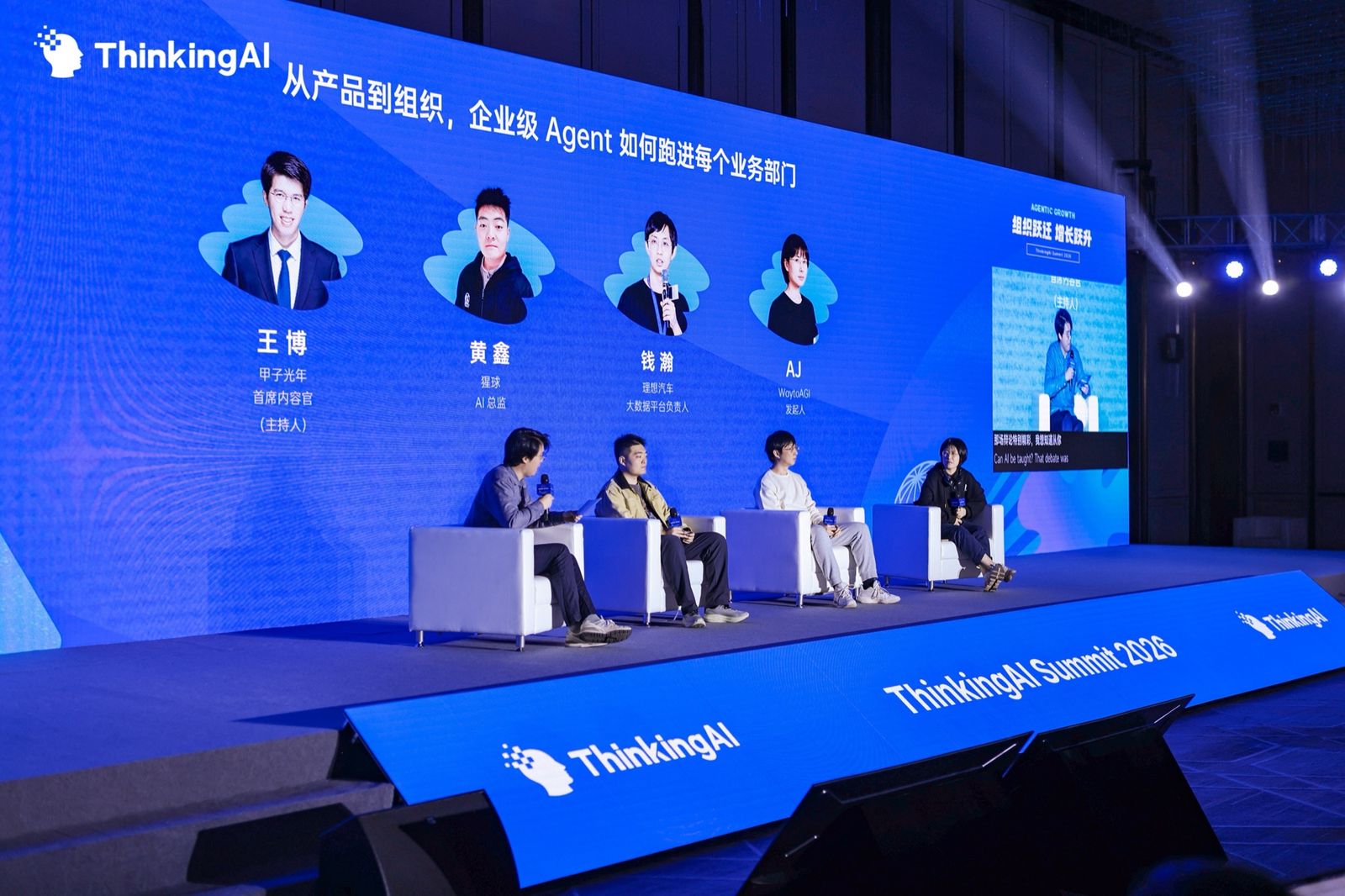
In the closing panel, moderated by Bo Wang, chief content officer at Jazzyear, Xin Huang, AI director at Xingqiu, said the company should build shared data, tools and capabilities while business teams combine them into their own agents. Han Qian, head of the big data platform at Li Auto, said agents can take part in business decisions only when the data is reliable and the definitions are clear, and someone has to update and sign off on the rules when they change. AJ, founder of WaytoAGI, said a method spreads only when others can understand it, repeat it and put it to real use.
We expect agents to support growth at teams that test them on real tasks, reuse the method, check the results and keep improving as new problems arise.
Share