If the Wu-Tang Clan's famous song about cash was written for enterprise businesses, the song might have been titled D.R.E.A.M. or, Data Rules Everything Around Me.
For many enterprises, data collection isn't just a perfunctory function. It is a bedrock on which strategy, product, and marketing decisions are built. And as enterprises scale, the volume of data becomes a challenge of storage and time. Not just handling the volume of data, but processing it fast enough for it to be relevant to your enterprise's various teams.
Why Data Collection Is the Foundation of Everything
Before diving into the two core challenges, it's worth understanding why data collection deserves this level of attention in the first place. Every downstream decision your enterprise makes, from product roadmaps to marketing campaigns or user retention strategies, are made using the insights gathered from the data you collect. Poor data collection leads to flawed insights, misallocated budgets, and missed atomic opportunities where your enterprise could have turned data into insight into action.
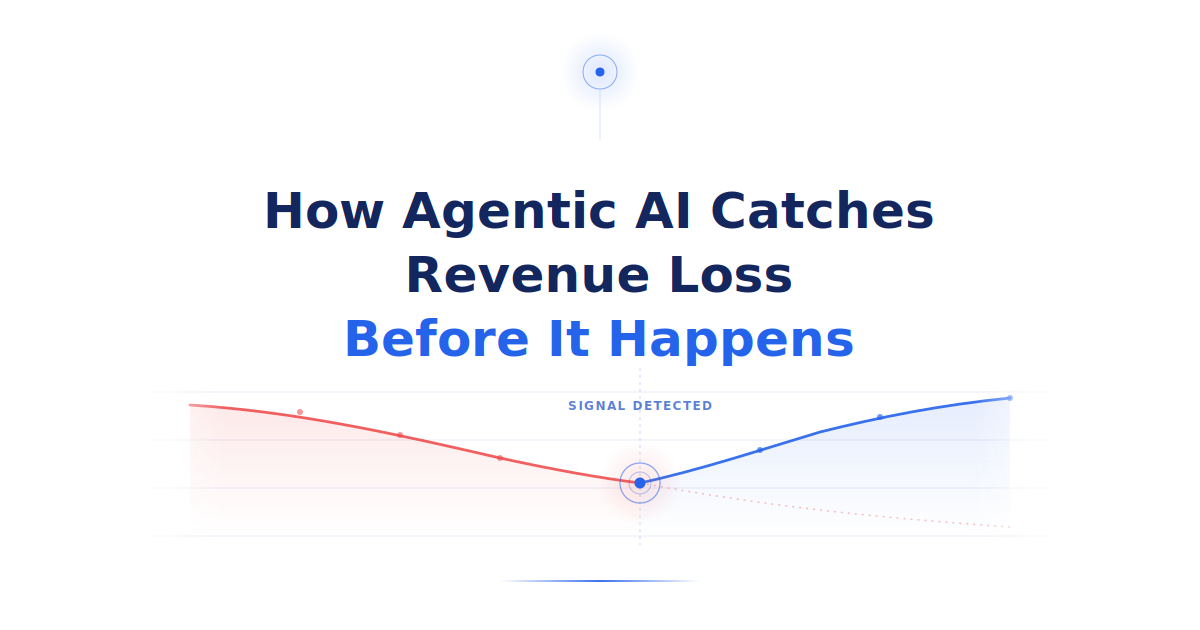
For live-service apps in particular, where user behavior can shift dramatically from one day to the next, the cost of slow or inaccurate data collection is measured in real revenue loss. A retention drop that goes undetected for a week because of a broken data pipeline could mean thousands of churned users that a more efficient system might have caught. This is why solving data collection at the foundation level isn't just a technical exercise but a strategic necessity.
The data collection challenges for enterprises at scale are twofold: Volume and Quality. Let's break them down.
Volume
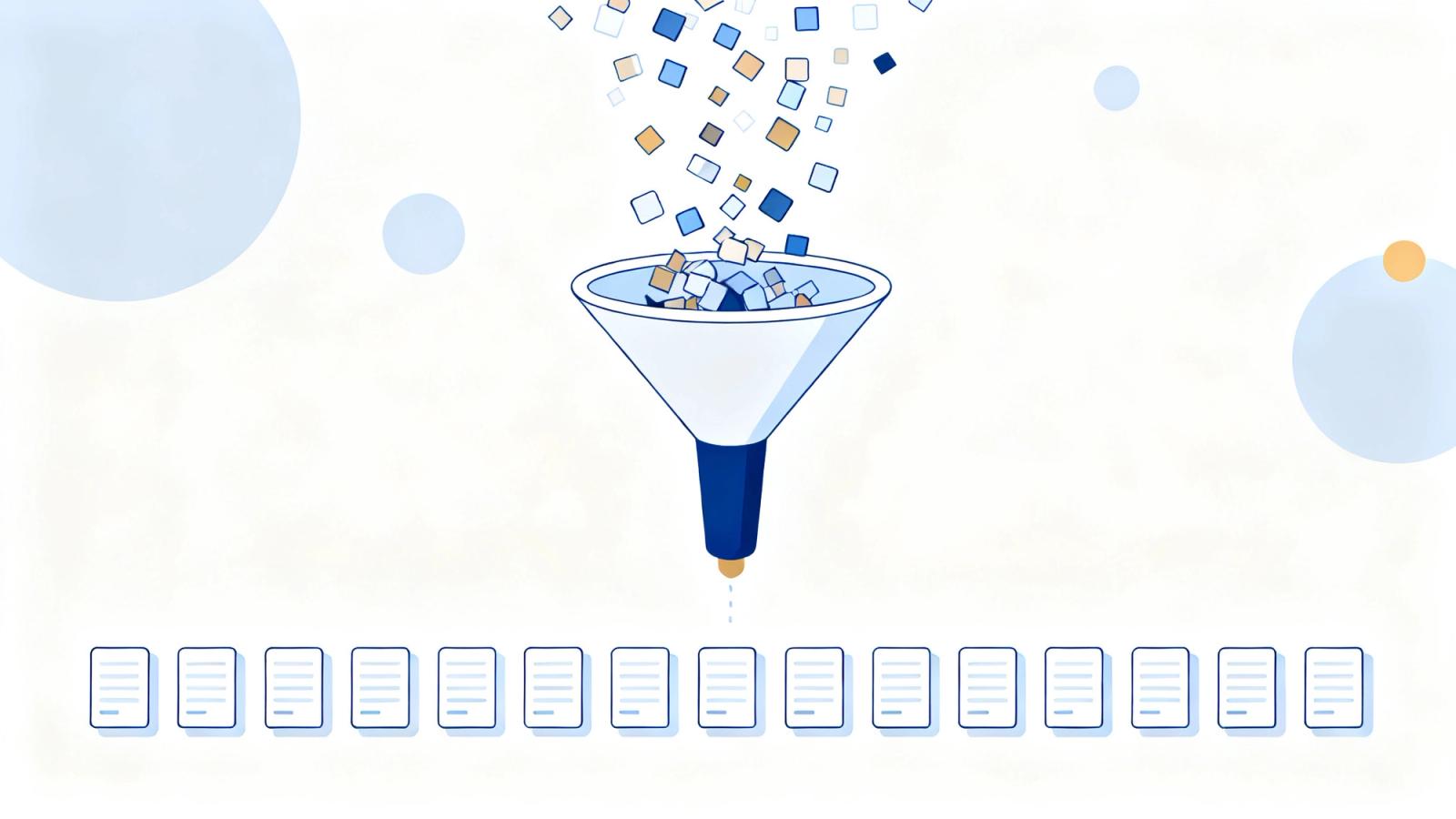
The amount of user data generated in live-service apps could make your head spin. The engineering challenge of processing streams at scale is an expensive and complex process, even more so if your enterprise is processing data in real-time.
To put this in perspective, consider a mid-size live-service app with 500,000 daily active users. Each user might trigger dozens of events per session such as logins, in-app purchases, feature interactions, and more. At that scale, a single day of user activity could generate tens of millions of individual data points.
Now multiply that across multiple products, markets, and platforms, and the engineering challenge becomes clear. Without a robust data collection infrastructure, your team is left either sampling data and losing granularity, or drowning in raw logs with no efficient way to process them into actionable insights. Either way, the business suffers.
Data Quality
The other challenge of processing data is ensuring data quality. As your product evolves, your data structure changes, and events become redefined, leading to your collection pipeline breaking because it is unable to reconcile historical comparisons to the new schema.
To illustrate how damaging data quality issues let's imagine a scenario where your product team releases a new app version that renames a key user event. Suddenly, your historical data and your new data no longer match up. Retention metrics that once compared D1 to D30 are now comparing apples to oranges, and your analytics team spends days reconciling the discrepancy rather than acting on insights.
Meanwhile, duplicate events from network errors are inflating your DAU numbers, making it appear that engagement is holding steady when they aren't. By the time the issue is identified and corrected, valuable time has been lost and decisions have already been made on bad data.
What to Look for in a Data Collection Solution
Given these challenges, what should enterprises look for when evaluating a data collection solution? There are three key criteria worth considering:
Scalability:Can the solution handle your current data volume and grow with you as your product scales?
Real-time processing: Can the solution process and surface data fast enough for your teams to act on it while it's still relevant?
Schema flexibility:can the solution adapt to changes in your data structure without breaking your historical comparisons or requiring weeks of engineering work to reconcile?
These are the questions that separate a functional data collection solution from a truly enterprise-grade one.
ThinkingAI's Collection Agent Can Tackle These Two Challenges
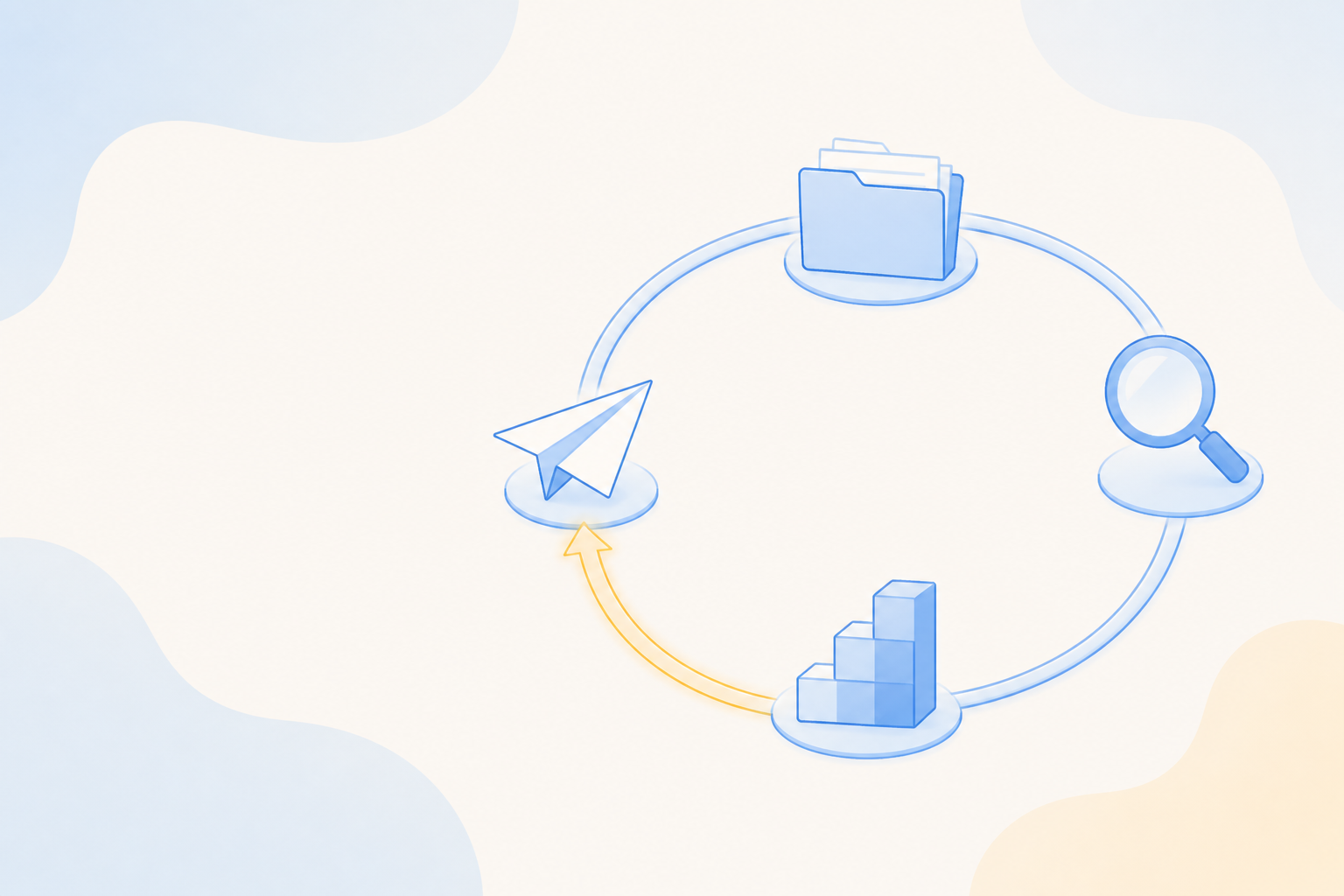
ThinkingAI's Agentic Engine is designed to deliver best-in-class, AI-powered automation across your data intelligence pipeline. And we're excited to announce the newest AI agent pre-packaged in Agentic Engine: the Data Collection Agent.
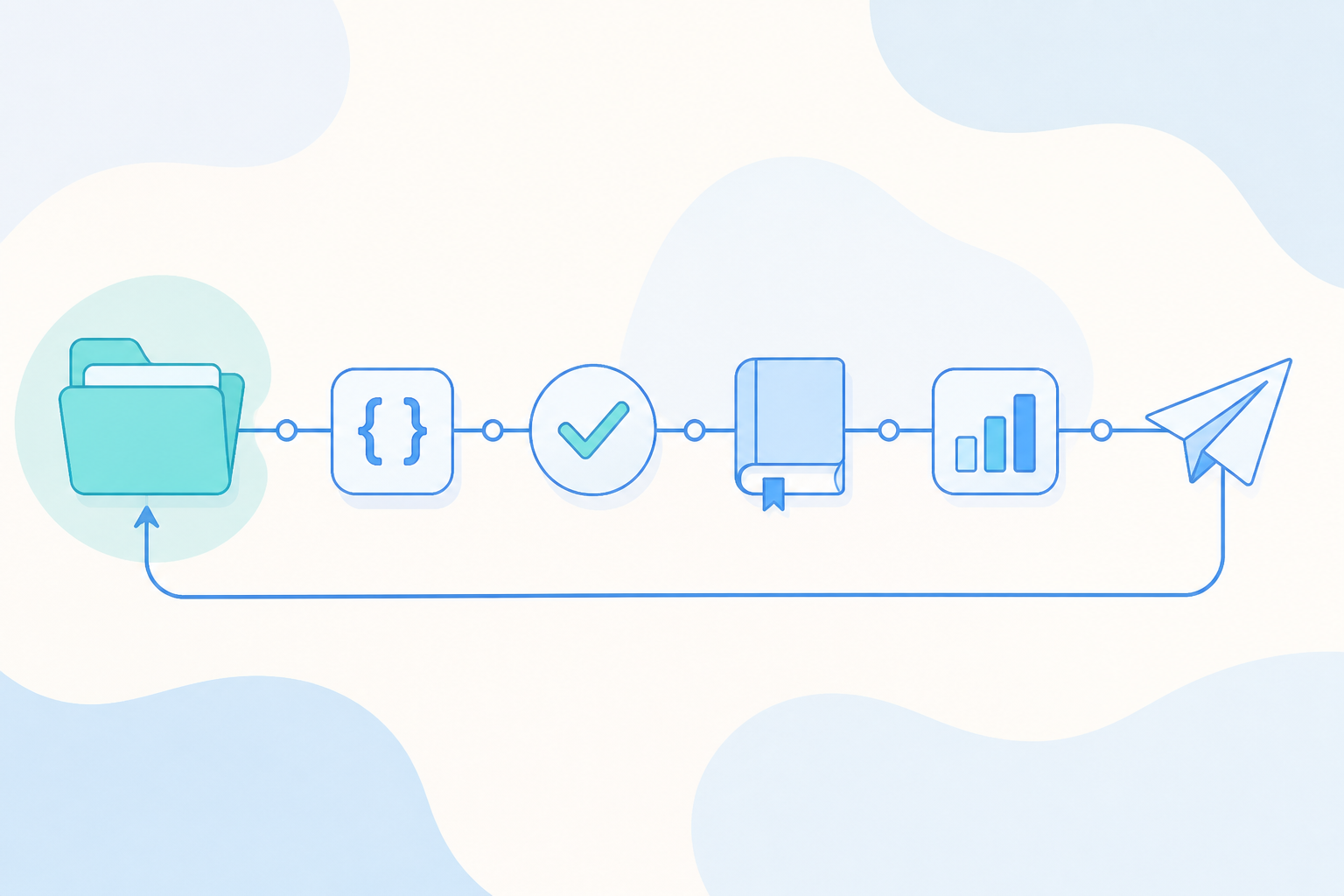
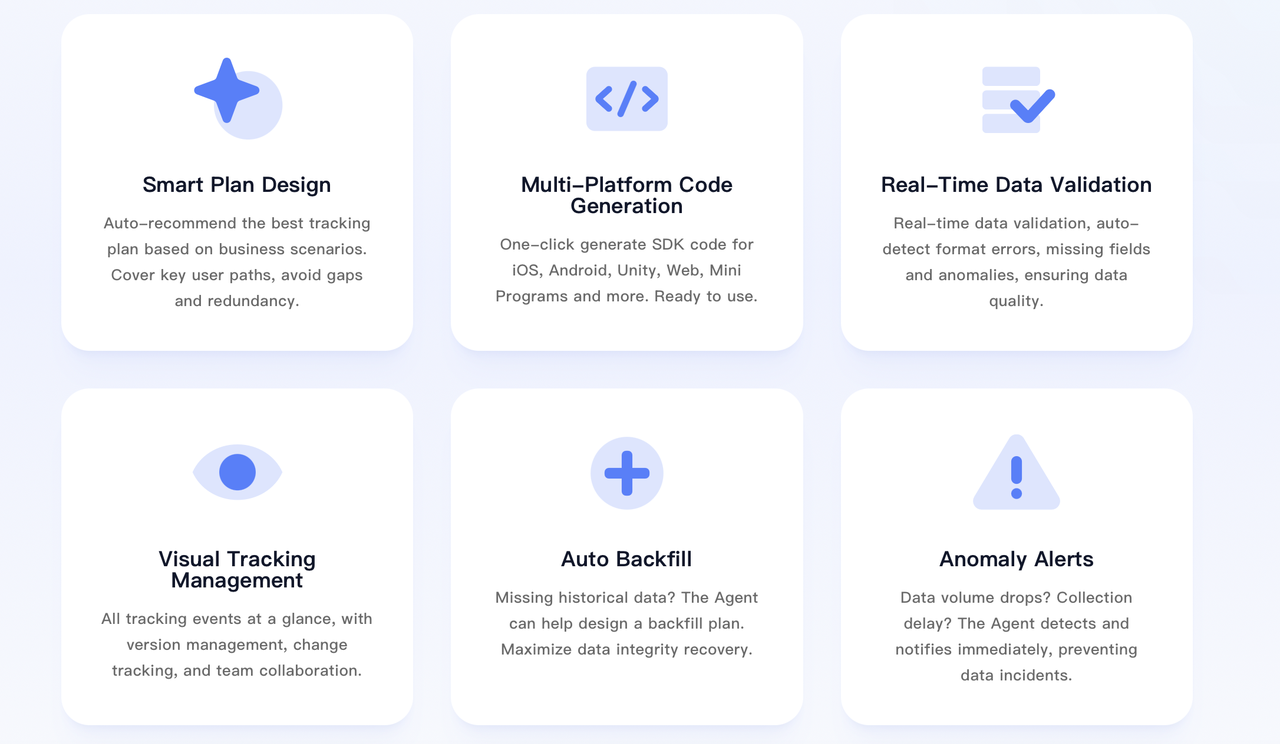
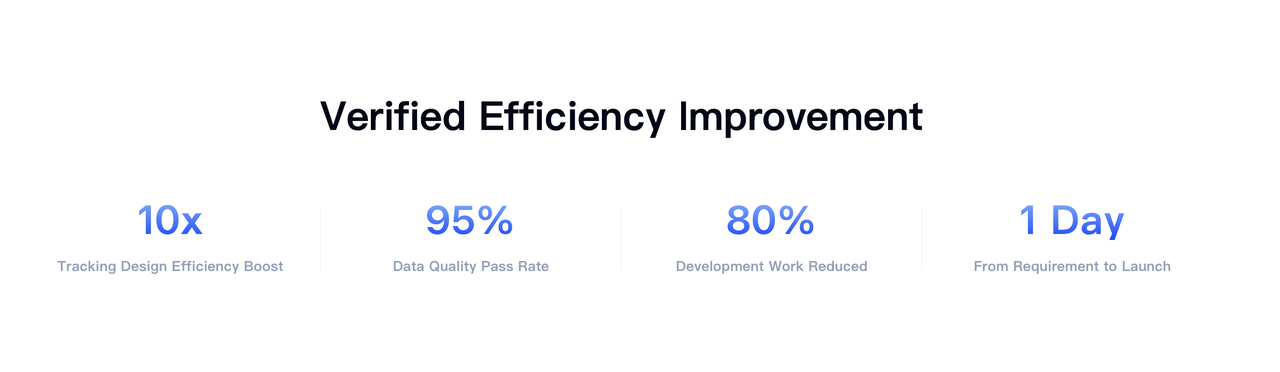
With Agentic Engine's Data Collection Agent, all you need to do is describe your data collection parameters, and the AI agent will design, code, and validate a data collection tracking plan all in one click. A two-week process that can now be completed in one day.
Our solution is proven to scale with enterprise businesses, so you can rest easy knowing Agentic Engine has the ability to keep pace with your success.
Agentic Engine's Data Collection Agent also has real-time validation that can auto-detect format errors, missing fields, and anomalies ensuring a 95% data quality pass rate.
Lastly, Agentic Engine's AI team are able to work together, so the Data Collection Agent, along with our Analytics and Engagement Agent, ensures that your AI agent team has total contextual knowledge over your business, adapting to your data structure without breaking your historical comparisons."
Agentic Engine's vision of a unified agentic AI data analytics platform is the next evolution of 10 years of building the best methodologies for turning data into insights. Book a demo with our team today to see how the Data Collection Agent can transform your enterprise's data collection pipeline.