
Our view
The EU's draft Digital Fairness Act would make games show the real-money price of virtual currency and let players switch off streaks and login rewards. So the question for a live game is how much revenue relies on players skipping that math. Split revenue by offer and see which buyers come back to pay again. The rules land a year after the act passes, enough time to test offers that show the euro price up front.
From GamesIndustry.biz on the EU's draft Digital Fairness Act
This week in apps, gaming and agentic AI
Google's new Gemini model makes decisions in one pass
It answers up to 1,000 closed questions per call, each with a confidence score attached.
A breach at Fireworks AI reached Notion's AI chat logs
The attack came through Fireworks' cloud provider and hit about 1% of Notion's customers.
AWS ships a local emulator written by a swarm of agents
Agents made 29,684 commits in three weeks, and it lets teams test against AWS locally.
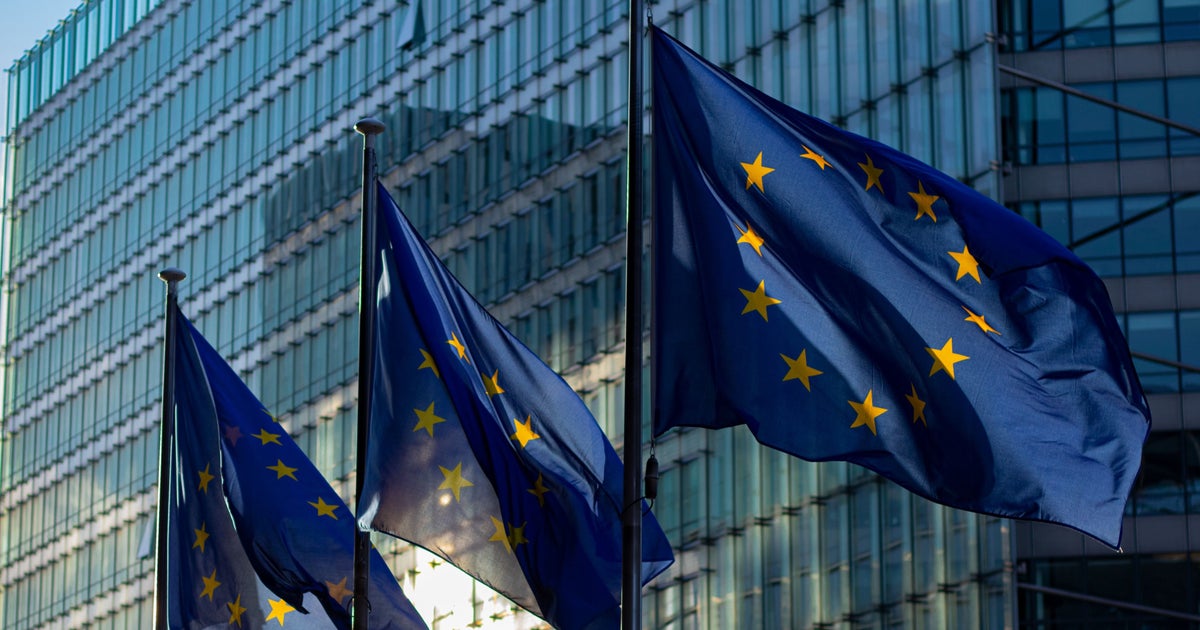
The EU's draft fairness law takes aim at virtual currencies
Prices in real money, loot boxes off for minors, and fines up to 6% of global turnover.
Love and Deepspace revenue fell 47% as players lost trust
Monthly users dropped only 10% this year, so most of the loss came from spending.
How Talking Tom got recommended by AI chatbots
A team from marketing, legal, PR and SEO lifted AI referral traffic 357% in six months.

SaaStr says a real agent should double what customers pay
One portfolio agent doubled ACV, and 3% of customers bought it in the first week.

Latest from ThinkingAI
How to Plan a LiveOps Calendar and Measure Event ROI
Plan events and reward calendars, then measure each event against a control group.

How to Read A/B Test Results You Can Trust
Read the confidence interval, then check the split, sample, guardrails and fading lifts.