
Agentic Growth: When Player Insight Becomes Action
gamescom dev 2026 · Cologne
About this session
At gamescom dev 2026 in Cologne, ThinkingAI co-founder Chris Han and data analyst Sedef Aylin Turhan showed what it takes to turn player insight into action, from the tracking plan to a campaign that waits for a person's approval.
Why acting on insight is still slow
Chris opened with a short history of how businesses grow, from gut instinct to the data era, and the gap that is still open today. Citing industry research, he noted that only about 24% of companies call themselves data-driven, that most enterprise data is never used to decide anything, and that 92% say the barrier is people and process. Most teams already have the dashboards. What they lack is a fast path from what the dashboards show to what the team does next.
Tools, process and the organization
He then named the three things that have to change. Tools come first. Every team now has access to agents, yet agents only add value when they share the same context, such as one agreed definition of daily active users, and run on the studio's own data. Process comes next. Agents have to sit inside the growth loop itself, from tracking and analysis to engagement and testing. The organization is the hardest of the three. Chris described how his own team now logs its work in one place so that an assistant agent can read it before meetings, leaving the meeting itself for questions and next steps.
From a question to a campaign, live
Sedef then ran the Agentic Engine on a game project in front of the room. She asked the agent to analyze D1, D7 and D30 retention and build a dashboard, then to create cohorts of churned high-value players, design re-engagement journeys, simulate their impact and propose A/B tests. The agent built each piece in the product and flagged the risks in its own plan. The final step stayed with her. "It created a draft. So it needs human approval to be able to go ahead and launch it," she said.
What people are for
Chris closed on the question every team is now asking. When agents take on more of the execution, people keep the original ideas, the judgment and the final call on what counts as a good result. "The deliveries, those results, should be decided by human," he said.
Key takeaways
- What agentic growth looks like inside a live game. One connected loop runs from the tracking plan to player segments, strategy, A/B tests and results. Agents draft and run each step, and people review and approve.
- Where autonomy pays off, and where people stay in the loop. Agents take on the repetitive work of building tracking plans, dashboards, cohorts and journeys. People keep the ideas, the taste and the approval, and a campaign stays in draft until someone launches it.
- How to keep player data sovereign. The Agentic Engine runs data collection, storage, computation and its agents on the studio's own servers, so player data stays inside the studio's walls while agents prepare the decisions.
The leadership dinner
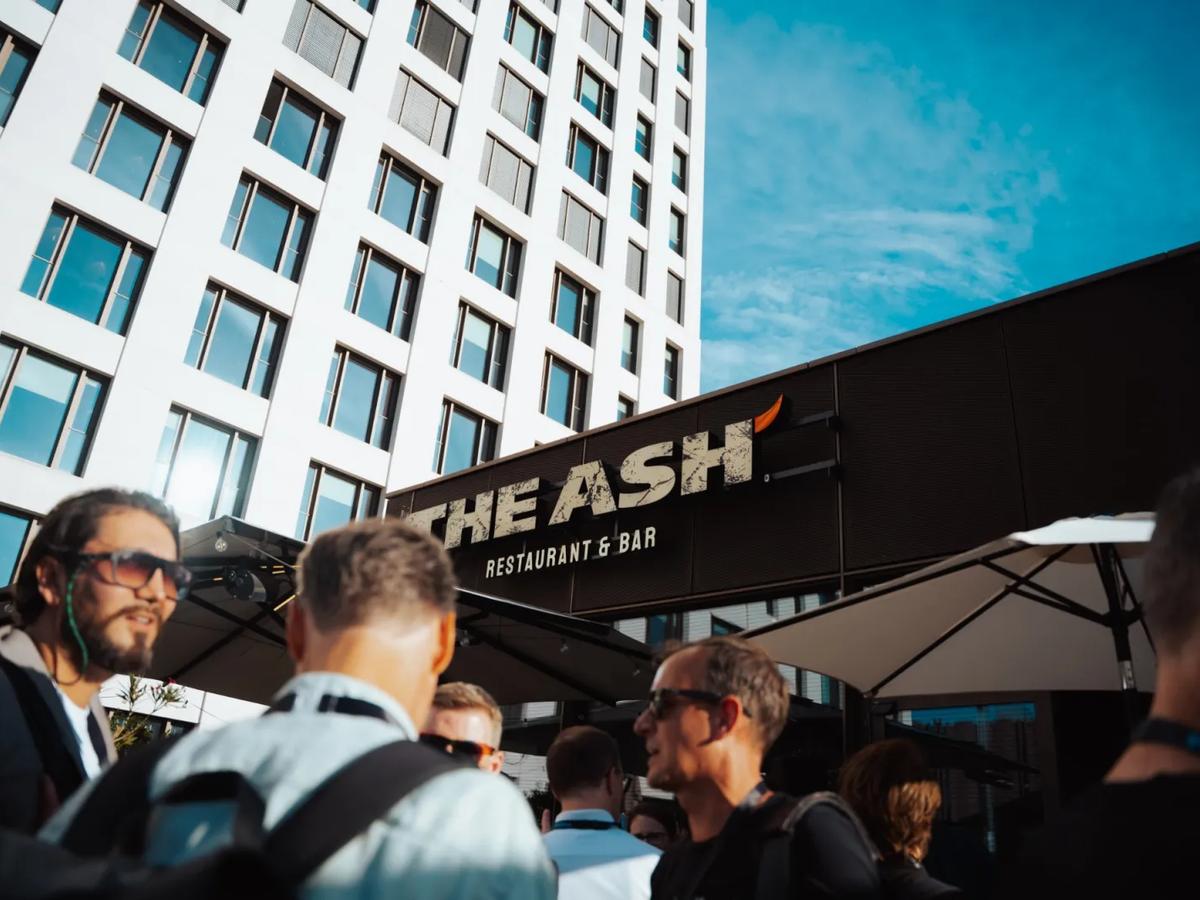
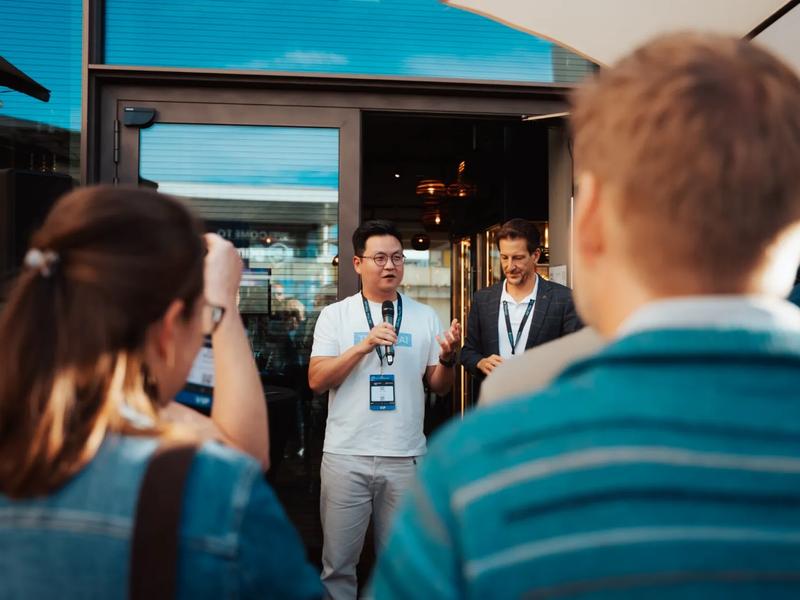
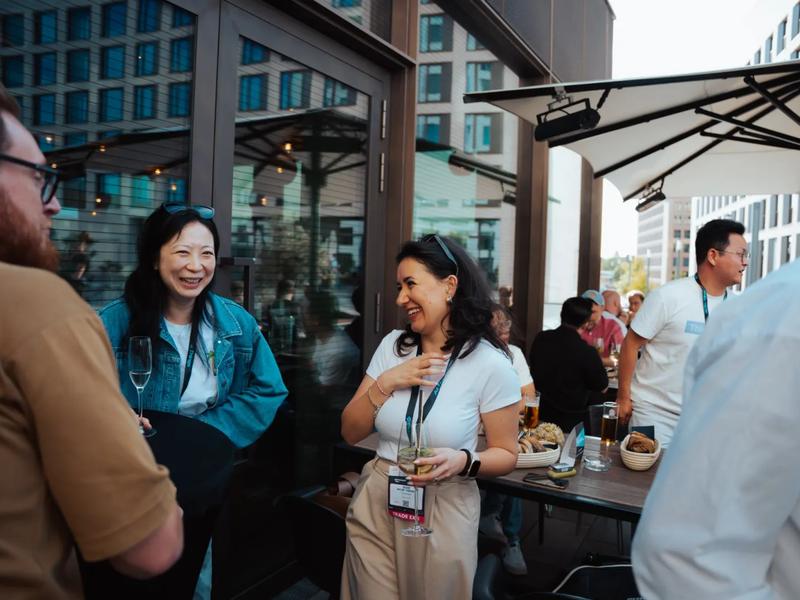
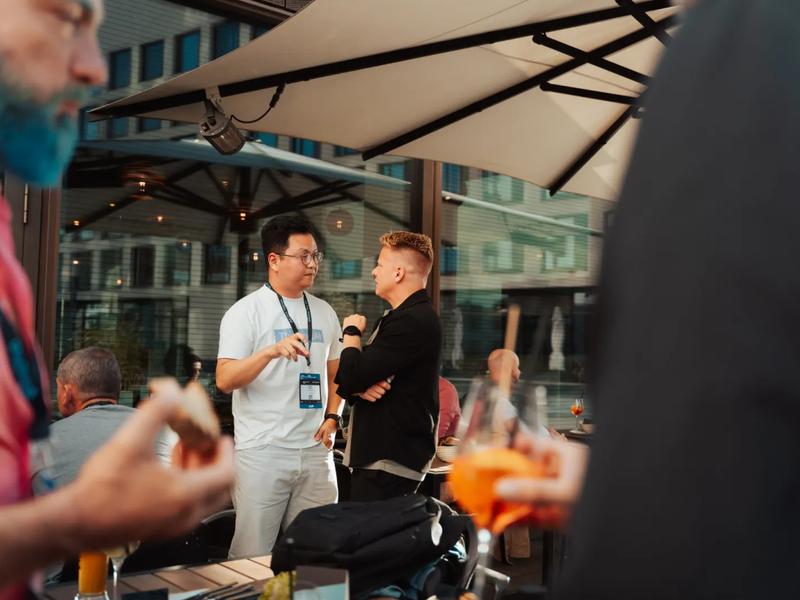
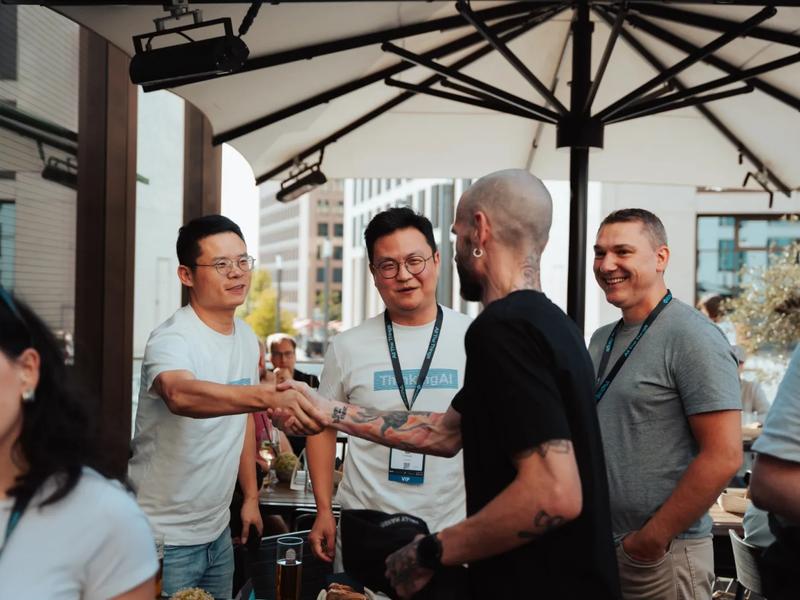
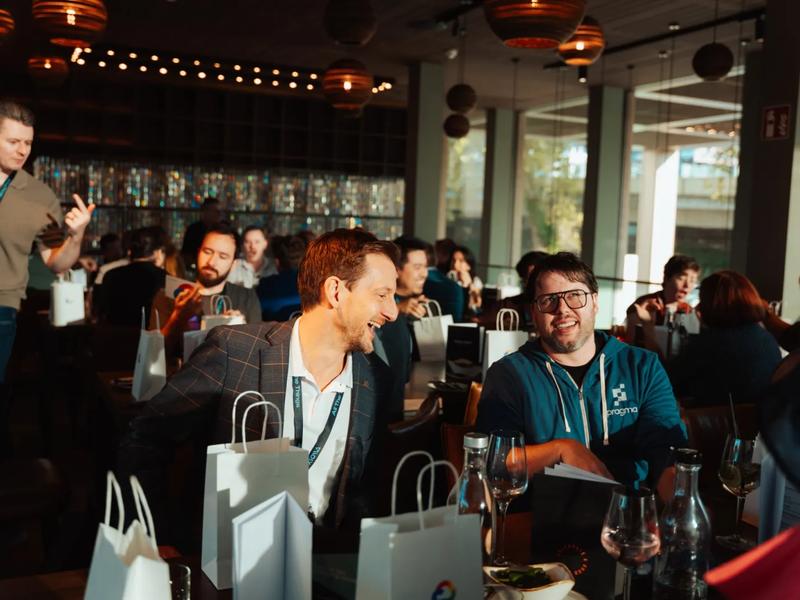
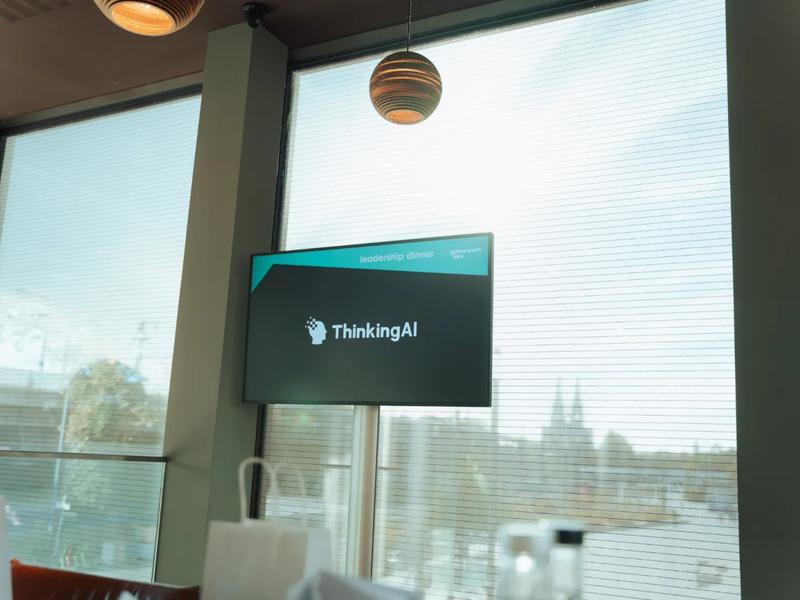
That evening, ThinkingAI hosted the gamescom dev leadership dinner at THE ASH in Cologne.


Speakers

Chris co-founded ThinkingAI, formerly ThinkingData, more than ten years ago. The company's analytics now run in more than 8,000 games, and he speaks on how agentic analytics changes the way game teams grow.

Sedef shows studios how the Agentic Engine works on real game data, from analysis and cohorts to engagement journeys and test design.
Share this webinar